All routes below are ACTV public waterbus lines — the vaporetto network. Times are approximate sailing times from the named stop.
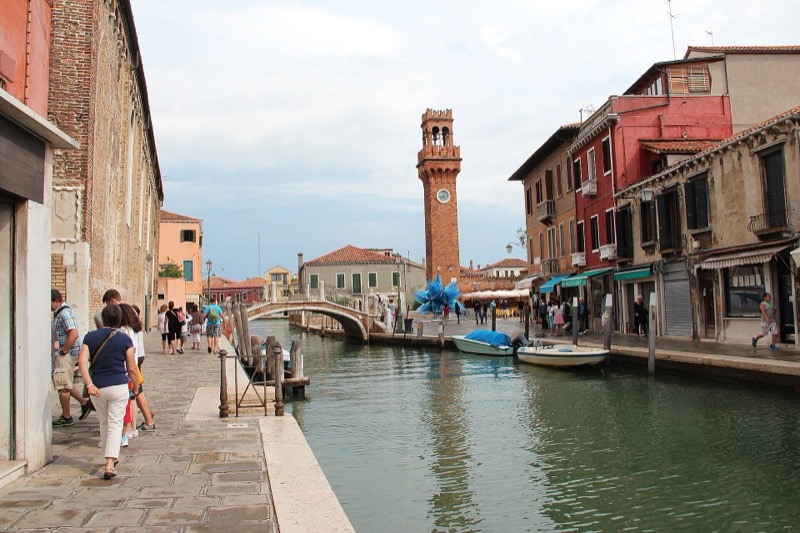
Murano
The glass island
Glassmakers were moved here in 1291 to keep their furnaces — and the fire risk — out of Venice. Visit the Museo del Vetro and the Basilica dei Santi Maria e Donato with its mosaic floor.
How to get there: Lines 3 from Piazzale Roma, 4.1/4.2 and 12 from Fondamente Nove; ~10 min from Fondamente Nove.
Don't miss: A glass-blowing demonstration in a working furnace.
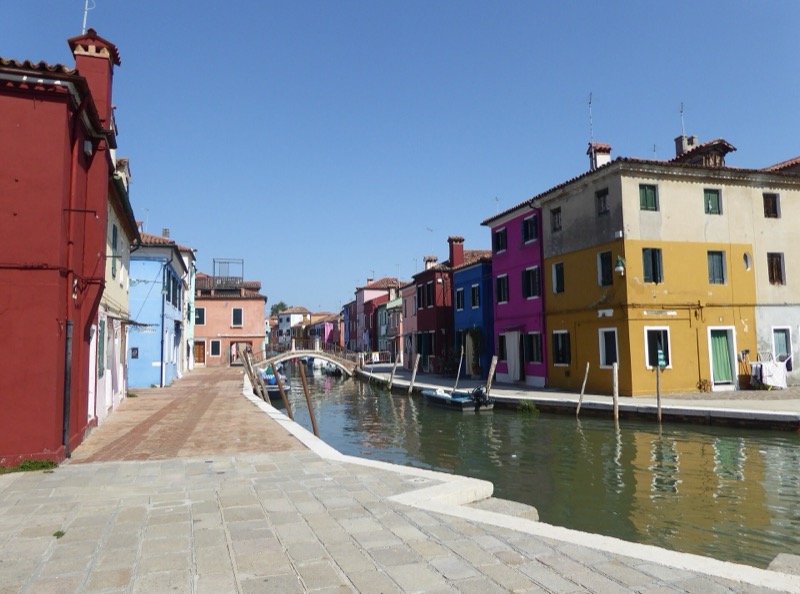
Burano
The painted lace island
Brightly coloured fishermen's houses line the canals, beside a centuries-old lace-making tradition and the leaning bell tower of San Martino.
How to get there: Line 12 from Fondamente Nove, ~45 min; also stops at Murano Faro and Mazzorbo.
Don't miss: The view back across the lagoon from the Tre Ponti bridge.
Mazzorbo
Burano's quiet neighbour
Linked to Burano by a wooden footbridge, Mazzorbo is all vineyards, orchards and silent lanes — the lagoon's rural pause.
How to get there: Line 12 (the stop before Burano), or walk over the footbridge from Burano.
Don't miss: The walled vineyard of Venissa.
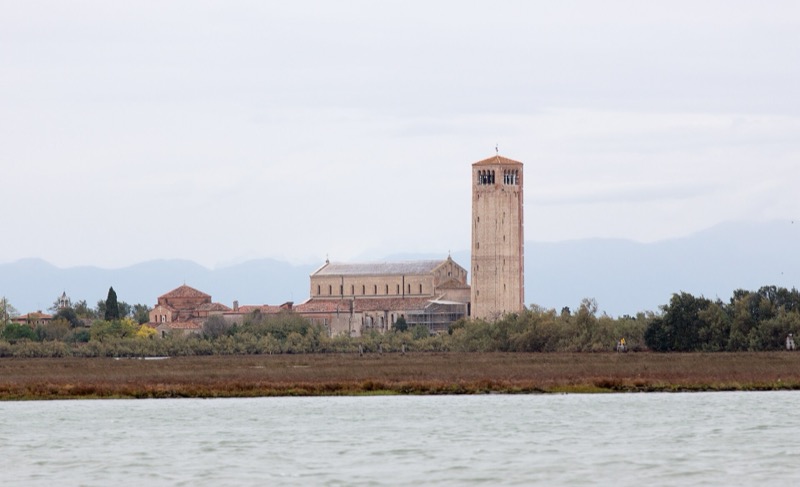
Torcello
Where Venice began
Settled between the 5th and 7th centuries, Torcello was once more populous than Venice itself. The Cathedral of Santa Maria Assunta, founded in 639, holds extraordinary Byzantine mosaics; outside are the parapet-less Ponte del Diavolo and the so-called Throne of Attila.
How to get there: Line 9 shuttle from Burano, ~5 min.
Don't miss: The Last Judgement mosaic inside the cathedral.
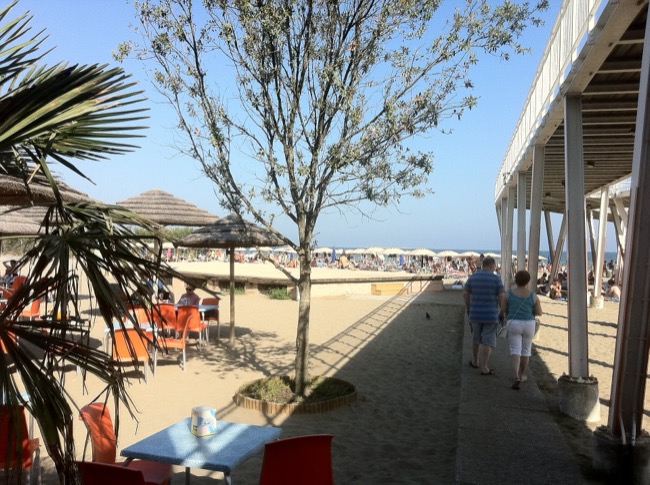
Lido
The beach barrier
An 11 km strip separating the lagoon from the Adriatic, with sandy beaches, Liberty-style villas and the Venice Film Festival, held here since 1932. It is the only island of the historic lagoon with cars.
How to get there: Lines 1, 5.1/5.2, 6 and others; ~15 min from San Zaccaria / San Marco.
Don't miss: The Art Nouveau façades along the Gran Viale.
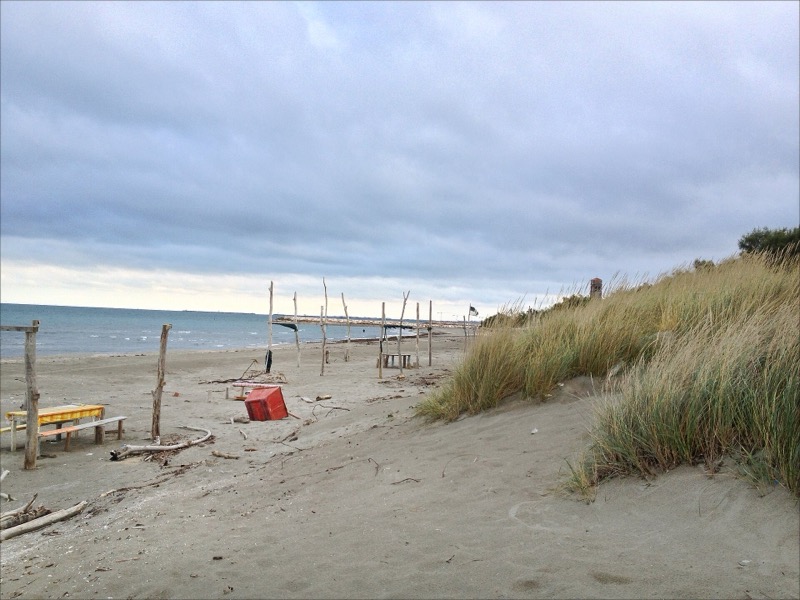
Pellestrina
The long thin fishing island
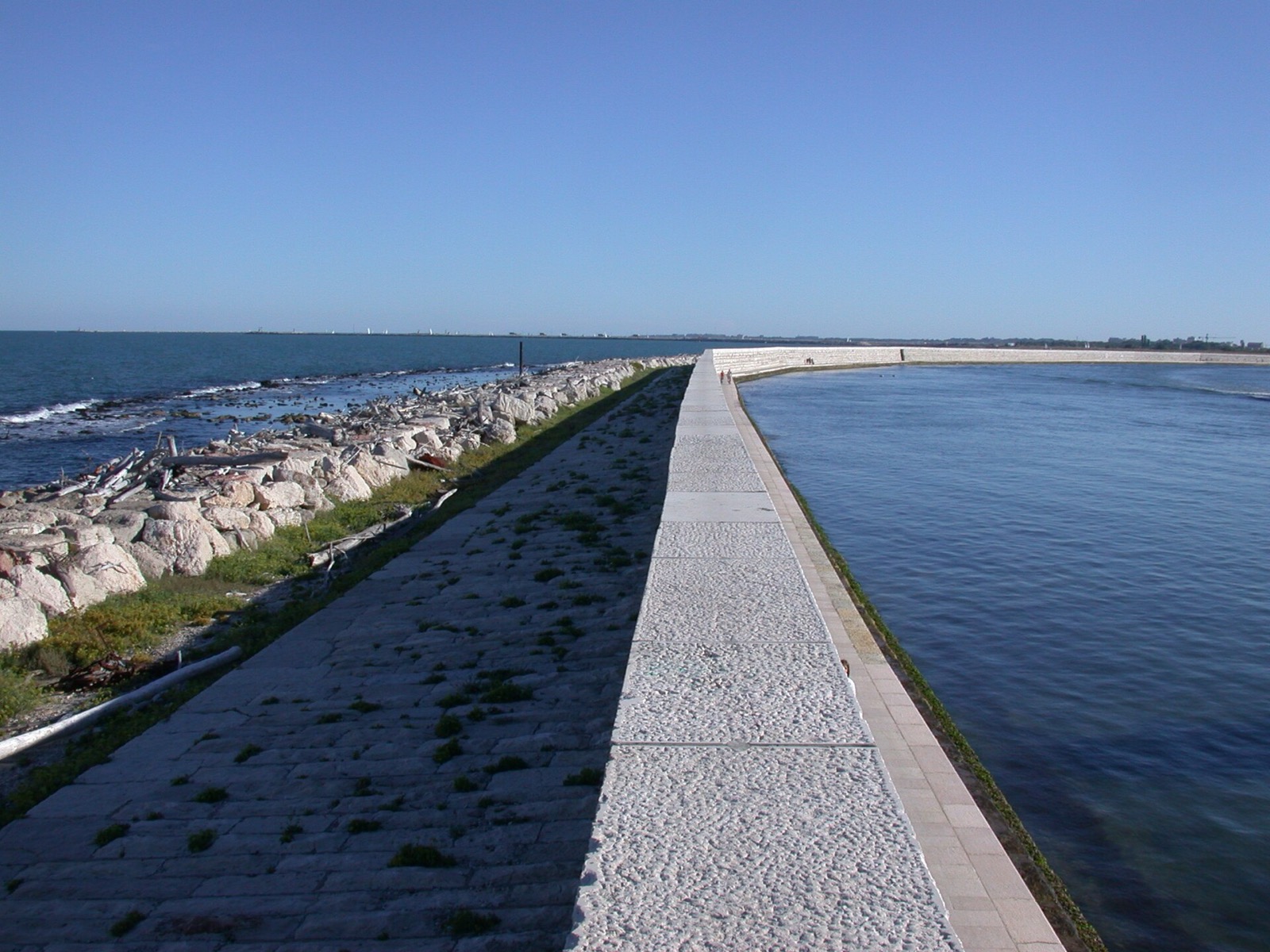
South of the Lido, protected by the 18th-century Murazzi sea walls, Pellestrina is a ribbon of fishermen's cottages and the villages of San Pietro in Volta and Pellestrina.
How to get there: Bus 11 from Lido — the bus boards a ferry across the Malamocco inlet — then continues by ferry to Chioggia.
Don't miss: The Murazzi walk at sunset.
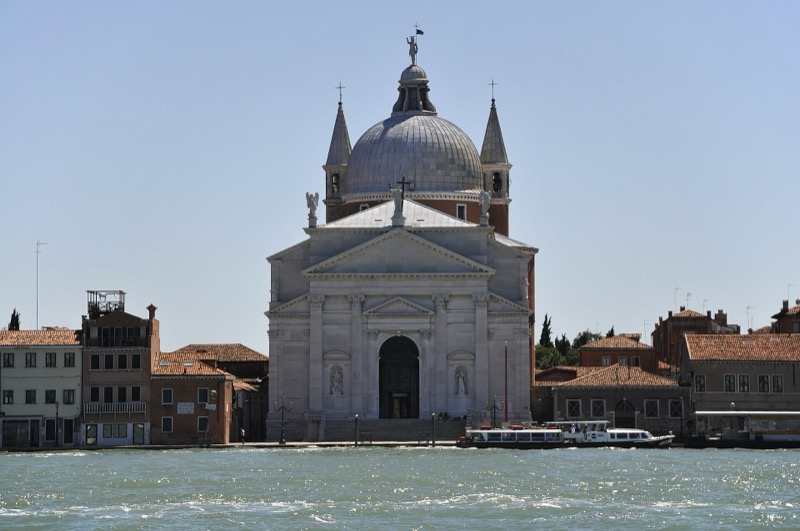
Giudecca
The long island across the canal
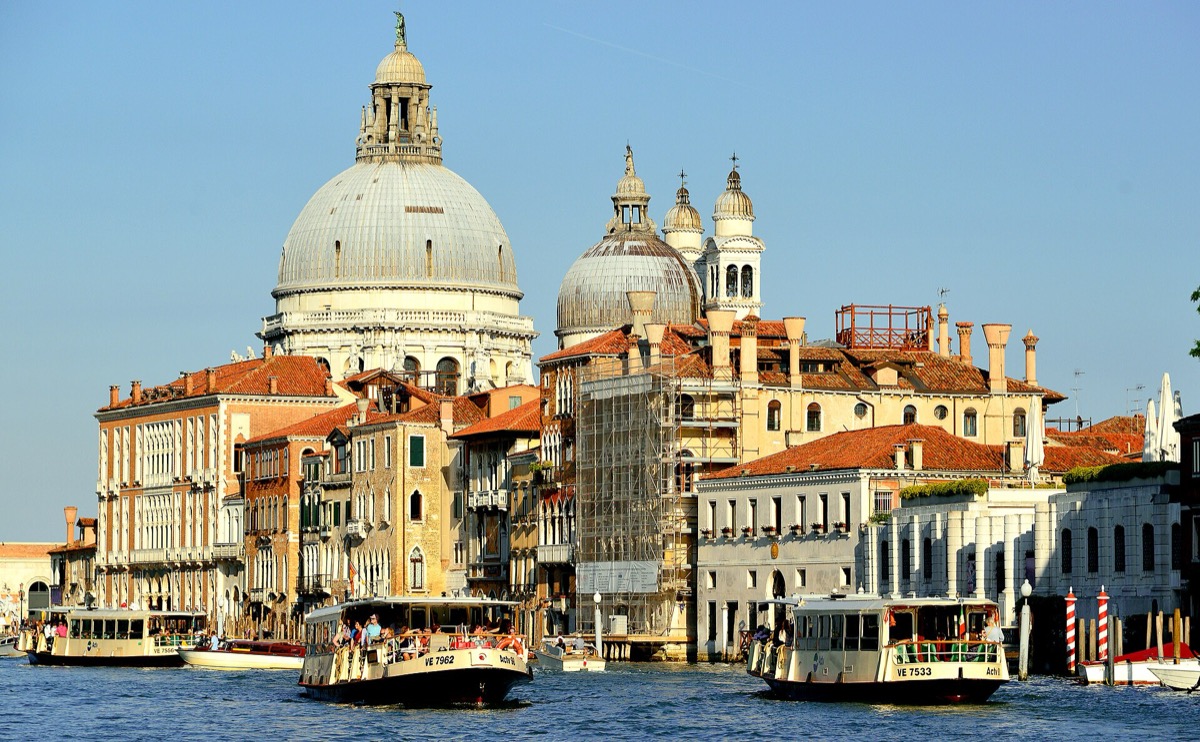
Facing Dorsoduro across the Giudecca canal, it holds Palladio's Church of the Redentore (1577–92), built in thanksgiving after the plague and still honoured with a pontoon bridge every third weekend of July, and the converted Molino Stucky mill.
How to get there: Lines 2 and 4.1/4.2; ~3–5 min from Zattere or San Zaccaria.
Don't miss: The skyline view back to San Marco from the fondamenta.
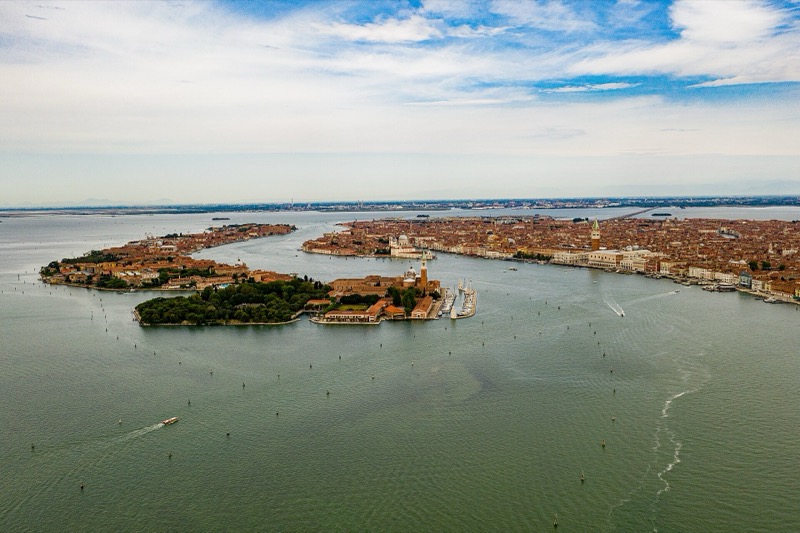
San Giorgio Maggiore
Palladio's postcard island
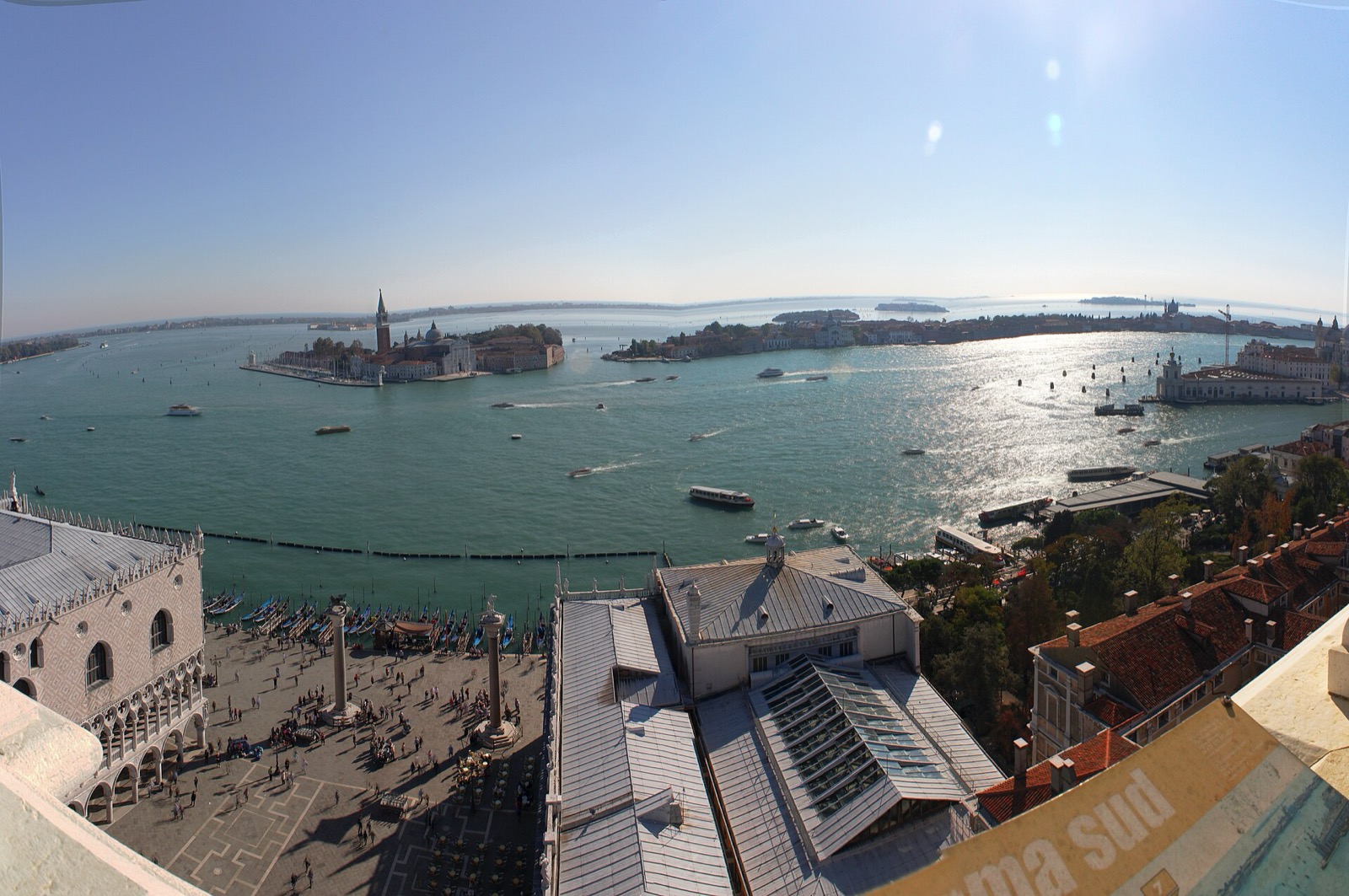
Palladio's church (1566–1610) faces St Mark's across the basin, and its bell tower offers the finest panorama of the city. The island is home to the Fondazione Giorgio Cini.
How to get there: Line 2, one stop from San Zaccaria (~3 min).
Don't miss: The campanile lift at golden hour.
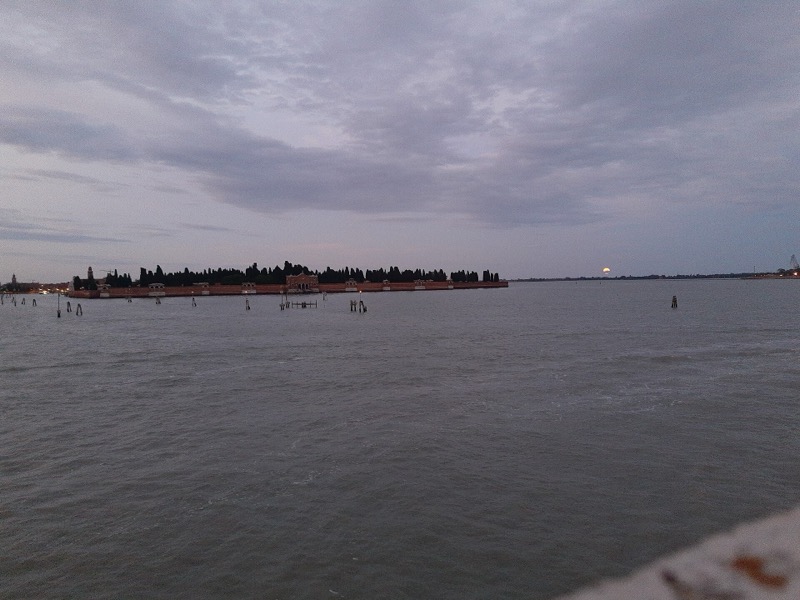
San Michele
The cemetery island
Venice's cemetery since a Napoleonic decree of 1807. Stravinsky, Diaghilev, Ezra Pound and Joseph Brodsky rest here, beside the church of San Michele in Isola (1469), the first Renaissance church in Venice.
How to get there: Lines 4.1/4.2, stop "Cimitero"; ~5 min from Fondamente Nove.
Don't miss: The Orthodox section where Stravinsky lies.
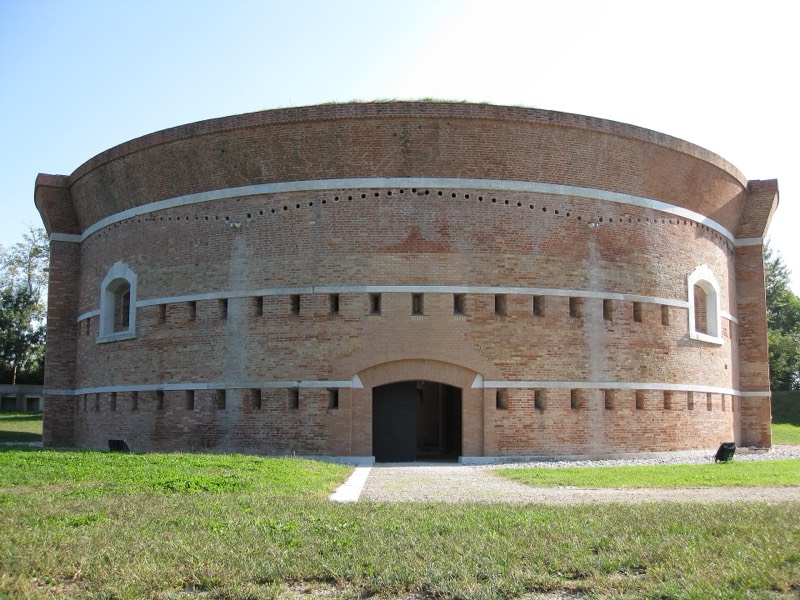
Sant'Erasmo
The lagoon's vegetable garden
Farms and artichoke fields — famous for the violet carciofo violetto — plus a quiet beach and the Napoleonic-era Torre Massimiliana fort.
How to get there: Line 13 from Fondamente Nove, ~30–40 min; three stops on the island (Capannone, Chiesa, Punta Vela).
Don't miss: Artichokes in season, straight from the field.
San Lazzaro degli Armeni
The Armenian monastery
A Mekhitarist monastery since 1717, with a remarkable library and museum; Lord Byron studied Armenian here.
How to get there: Line 20 from San Zaccaria, ~20 min; visits at fixed afternoon hours.
Don't miss: The manuscript library and Byron's room.
San Servolo
The island of study
A former monastery and later hospital island, today home to Venice International University and a small museum of its past.
How to get there: Line 20 from San Zaccaria, ~10 min.
Don't miss: The quiet park and the view to San Marco.
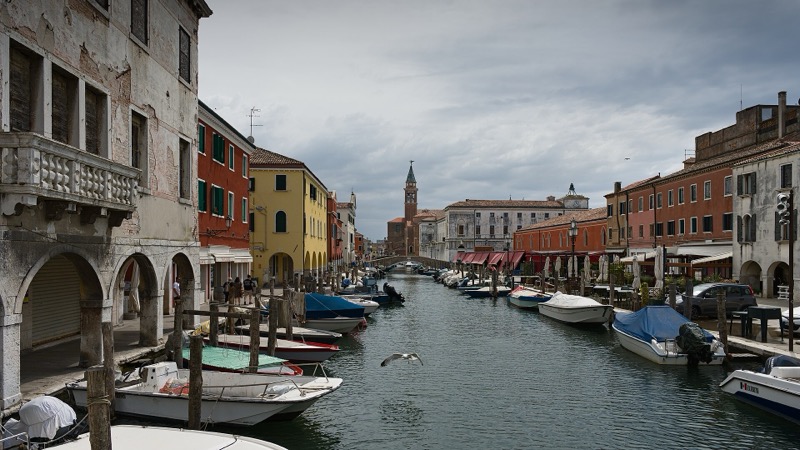
Chioggia
Little Venice of the south
At the southern end of the lagoon, a working fishing port with canals of its own — the Canal Vena — and a celebrated fish market.
How to get there: Bus 11 from Lido via Pellestrina plus ferry, or bus from Piazzale Roma via the mainland.
Don't miss: The morning fish market on Corso del Popolo.
And the others…
Le Vignole, market gardens east of Sant'Erasmo; La Certosa, a marina and park island; Lazzaretto Nuovo, the world's first quarantine station (1468) — the word "quarantine" comes from the quaranta giorni, forty days, that ships waited; and Poveglia, abandoned and closed to the public.


.JPG)


_(8086981096).jpg)
.jpg)


_View_of_Venice_by_Jacopo_de%27_Barbari_-_Museo_Correr.jpg)
